Skip to content

How it works

You write a paragraph. We build the website.

That is your whole side of it. No template to pick, no pages to lay out, no fonts to argue with. About half an hour later there is a working website, and you are the first person to see it.

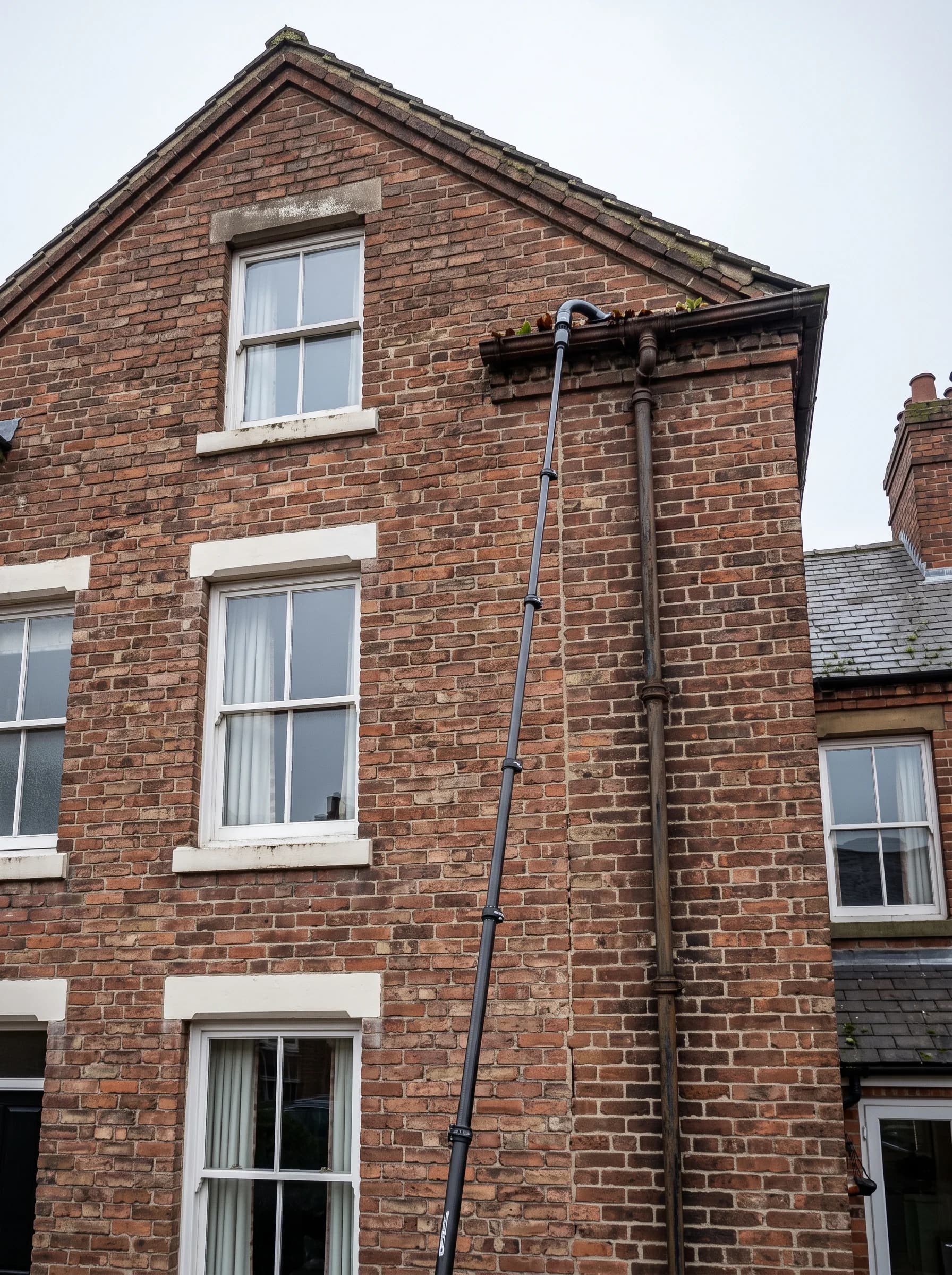
A three-storey Victorian brick gable in Chesterfield under an overcast sky, a vacuum pole reaching up towards the cast-iron gutter
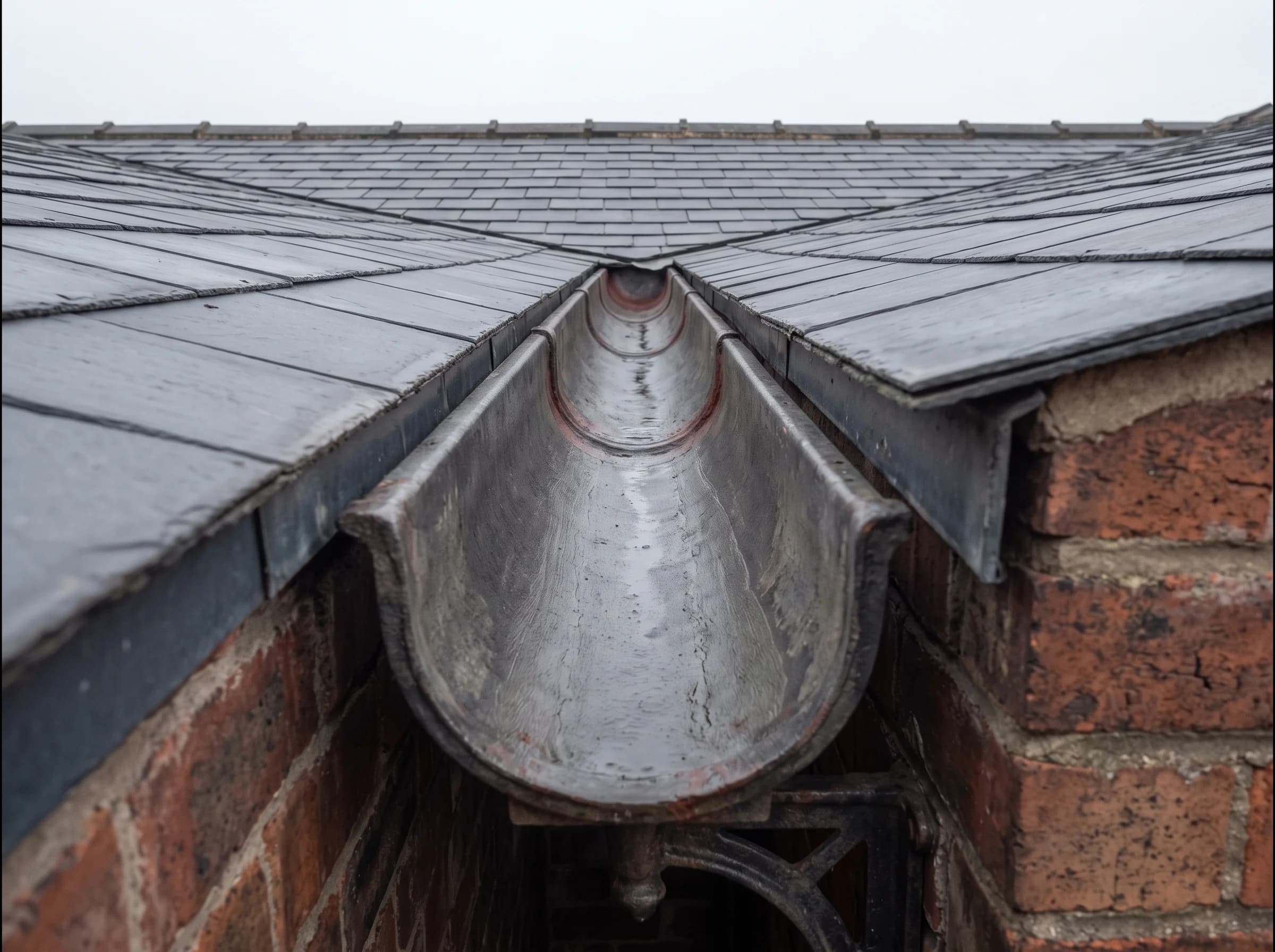
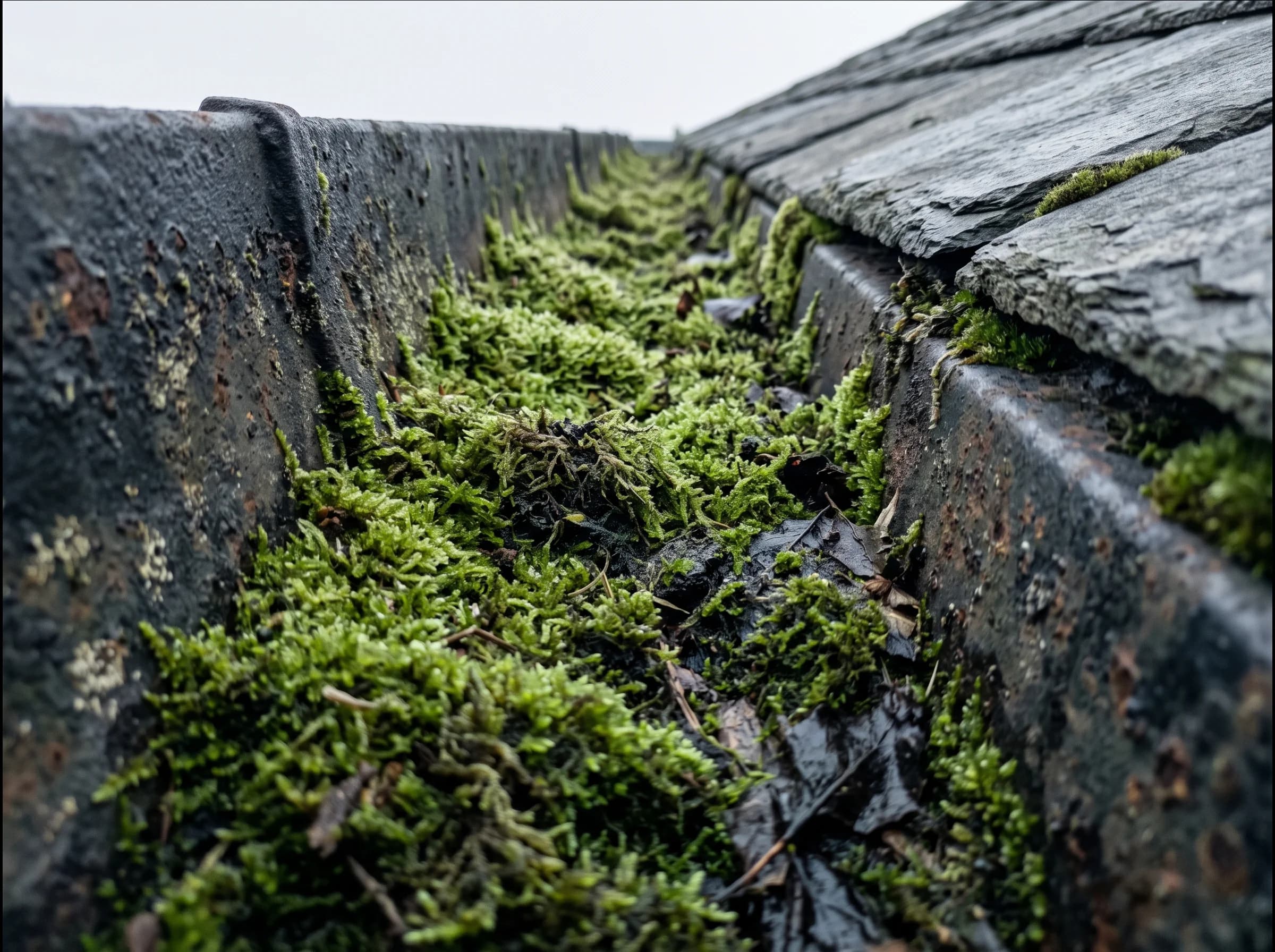
Pole-camera view along a cast-iron gutter choked with moss and standing water, before clearingBEFOREThe same gutter run cleared to a clean, dry channel after vacuum clearingAFTER

Cleared from the ground. No ladder touched this wall.

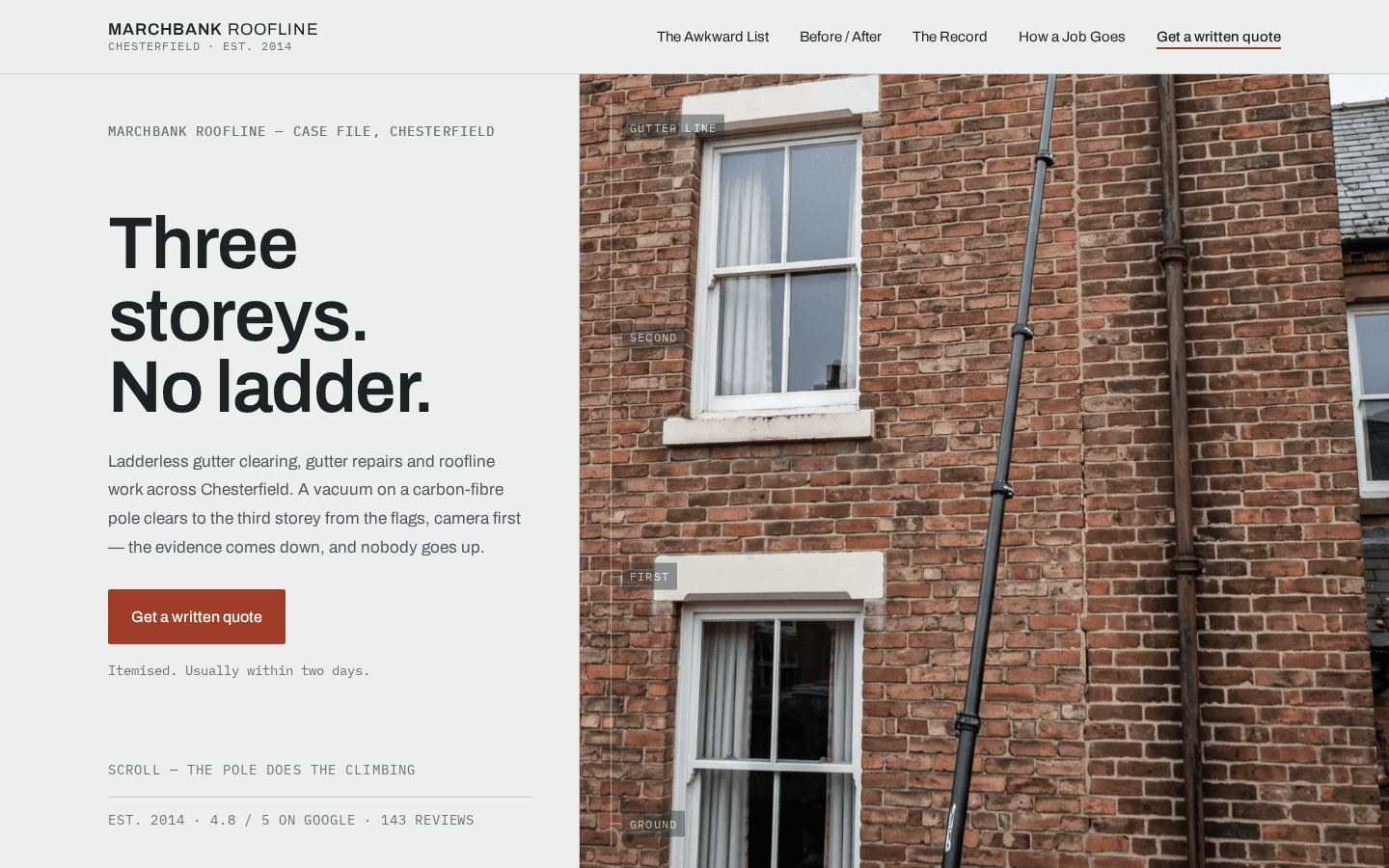
The opening of the finished site, running hereshowcase-guttering.sites.themesmith.ai

That climb is one of ours. A guttering firm in Chesterfield asked to look more professional and wrote a paragraph about reaching three storeys without a ladder. Nobody asked for an animation. It is now the first thing anyone who visits the site sees, and the rest of this page is how it got there.

Marchbank Roofline is invented. We wrote its brief ourselves, the same as every business in the showcase, to test how far the range goes across trades. The build is real, the site is live now, and every figure on this page comes from that build's own record rather than from a rounded-up version of it.

Tuesday 18 August 202635 minutesone page, seven sections20 photographs

The brief goes in.

Marchbank Roofline, guttering and roofline, Chesterfieldest. 2014

What was written

Every customer meets Marchbank at the cheapest thing it does. An eighty-pound clear-out is the front door to a four-thousand-pound roofline replacement, and twelve years of route work has built a list of people who have no idea the second service exists.

The ladder brigade cannot touch three-storey or awkward access, and the vacuum system is the reason — it is also why a clearing job can be booked from a page rather than negotiated on a doorstep. Nobody in Chesterfield is selling reach as the difference.

character: Twelve years and a vacuum that reaches three storeys. Practical, photographic, quietly unimpressed by ladders.

That is two paragraphs and a line about the tone, and it is the entire input. Nobody chose a layout, a colour, a typeface or an order for the sections. Nobody uploaded a photograph.

Worth saying plainly, because it is the point of the whole page: nothing in that brief asks for an animation, a scroll effect or a hero. It says reach is the commercial argument and that nobody local is selling it. Everything from here on is what came back.

Your own paragraph does not need to be as neat as that one. What you do for people, who they are, what you would want a stranger to understand in the first ten seconds. Anything you leave out gets asked about rather than guessed at.

It decides what the site is about.

about seven minutes, before a line of the site existed

The first thing it did was work out who would actually be arriving. Not the guttering firm: the person with a gutter they cannot see into.

The buyer is a Chesterfield homeowner with a tall, tricky house — a three-storey Victorian terrace, a back elevation over a conservatory, a gutter no one has looked inside for years — and a low-level dread of water where water shouldn't be. They've been quoted by two blokes with a ladder and a mobile number, and they're nervous about both. What earns their trust is not enthusiasm but evidence: photographs of actual gutter runs, a written quote, a 4.8 record they can feel rather than be sold.

from the build notes

Then it ruled out what the site was not going to be, including the look it would otherwise have reached for by default.

NOT the generic tradesman template — royal blue header, badge carousel, stock photo of a man on a ladder giving a thumbs up, 'Get A Free Quote Today!' in three places. Equally NOT the warm cream-paper page with a high-contrast serif and terracotta accent that AI reaches for when told to look 'considered' — this business's considered-ness is cold light, grey slate and photographic proof, not artisan bakery warmth.

from the build notes

Then the one idea the whole site would be built around, which is the decision a template makes for you and always makes the same way.

A photographic case file from the town of the Crooked Spire — where awkward rooflines are the local landmark, and every gutter run Marchbank touches is proven in a before-and-after pair, shot from a height ladders don't reach.

from the build notes

And then it invented something nobody had asked for.

The three-storey climb: the opening of the site is a full-height scroll up the gable of a real Chesterfield house — ground floor, first, second, marked like a measuring staff — ending at the gutter line where a before/after pair of the actual run snaps into place, captioned 'Cleared from the ground. No ladder touched this wall.' The visitor physically scrolls the height Marchbank works at, and understands 'awkward access' in five seconds without reading a word of copy.

from the build notes

That is the climb at the top of this page, and it is the first thing on the finished site. A brief about reaching three storeys became a page you have to climb. It is the sort of idea an agency arrives at in week three, and it costs the same here as a page that does nothing.

The typefaces and the five colours were settled in the same seven minutes, from that paragraph, for this business. One grotesque doing everything through weight, a mono for the storey marks and the captions, no serif anywhere. It named each colour and what that colour was allowed to do, and then kept to it. A restaurant's brief produces nothing like any of it.
This is what came out.

35 minutes from the briefone page, seven sections, twenty photographs

The writing took twenty-five and a half minutes: seven sections of a home page, headline to footer, in the voice the brief asked for. Twenty photographs were then made for it, none of them lifted from a stock library. The gable at the top of this page is one of them, and so is every before and after pair on the finished site.

Then the checks ran, and the first pass failed. Not on the site itself: on the images it hands over when somebody shares the link in a message. It went round again with those rebuilt and passed. We have left that on the page because it is in the record, and a gate that never stops anything is not a gate.

  • The brief arrives. Nothing has been chosen yet.
  • It works out who is actually arriving at a site like this, and what earns their trust.
  • The shape is settled: one page, seven sections, in this order.
  • Type, colour, and the one idea the whole site will hang on.
  • How the page describes itself to a search engine.
  • The page is written. Every word of it, headline to footer.
  • Twenty photographs are made for it, to the descriptions it wrote itself.

35 minutes 4 seconds, stage by stage, from the build's own record

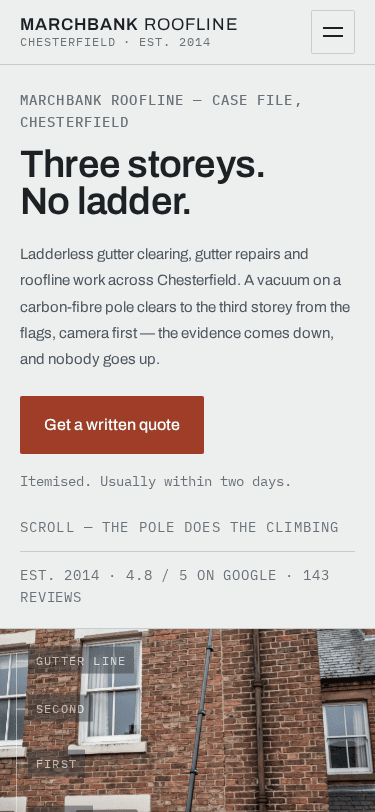
Marchbank Roofline home page on a desktop screenMarchbank Roofline home page on a phoneshowcase-guttering.sites.themesmith.ai

one page7 sections20 photographs35 minutes

Then you look at it.

from here it runs on your clock

Nothing has been announced to anyone at this point. The site is at its own address, you are the only person who has been sent it, and you either say yes or say what is wrong.

Saying what is wrong is done in ordinary English. We work later on Saturdays now is enough. Forge, the assistant that comes with every site, works out which parts of which pages that touches, writes the change, and shows you exactly what will move before anything is published. You publish it, ask for a different version, or throw it away.

Forge · showcase-guttering.sites.themesmith.aiexample

You

We're on till two on Saturdays now, not one.

Forge · proposed

Saturday shows in two places. Here is what changes. Nothing else moves.

Saturday, eight until one.
+ Saturday, eight until two.
Opening hours · Saturday 08:00 to 13:00
+ Opening hours · Saturday 08:00 to 14:00
PublishAsk for a changeDiscard

An example, not a record. Everything above this panel happened; this is what the next part looks like.

Your own domain goes on when you say so, and not before. Until then the site sits at an address like the one in the panel, which is a real live site rather than a preview that expires.

Then it gets looked after.

Day one is the small part. From then on the site is watched: a contact form that quietly stops sending, a page that gets slow, a link that breaks when something is renamed. Most of that is found and put right before you would have run into it.

As the business changes, changes get proposed. A page for a service you have started offering. A clearer headline when the old one has stopped earning its place. Better photographs of what you actually sell now.

You set how much of that happens without you. At one end nothing goes live until you say yes. At the other, small improvements ship on their own and land in a log you read when you feel like it. The dial moves either way, whenever you want.

Every change is written down and every change can be undone, ours included. You can step in at any point, take it over, or stop. If you leave, you take the site with you.

The other two ways to do this.

For context, and because most people reading this have already tried one of them.

An agency.

  • build time4–8 weeks
  • build cost£5,000+
  • ongoing£500–2,000/mo
  • an editemail and wait

You meet, you scope, you wait, you pay. The site is usually good. The retainer is the part most small businesses cannot carry, so the looking-after stops about a year in and the site starts going out of date.

A drag-and-drop builder.

  • build time2–7 days
  • cost£20–50/mo
  • your time4–6 hrs a week
  • an edityou do it

Cheap to start, and every hour of it is yours. You pick a template, so the site ends up looking like every other business that picked the same one, and it only changes on the evenings you find time for it.

Themesmith.

  • build timeabout half an hour
  • cost£15–129/mo
  • your timea paragraph
  • an edityou say what is wrong

You write the paragraph. The site gets built from it, hosted, and looked after from then on. Nothing is picked from a folder of templates, because there is no folder of templates.

A paragraph, and a Tuesday afternoon.

That is the whole of it. You write the paragraph, you go and do something else, and the site is waiting when you get back. We look after it from there.